Why we time recovery drills
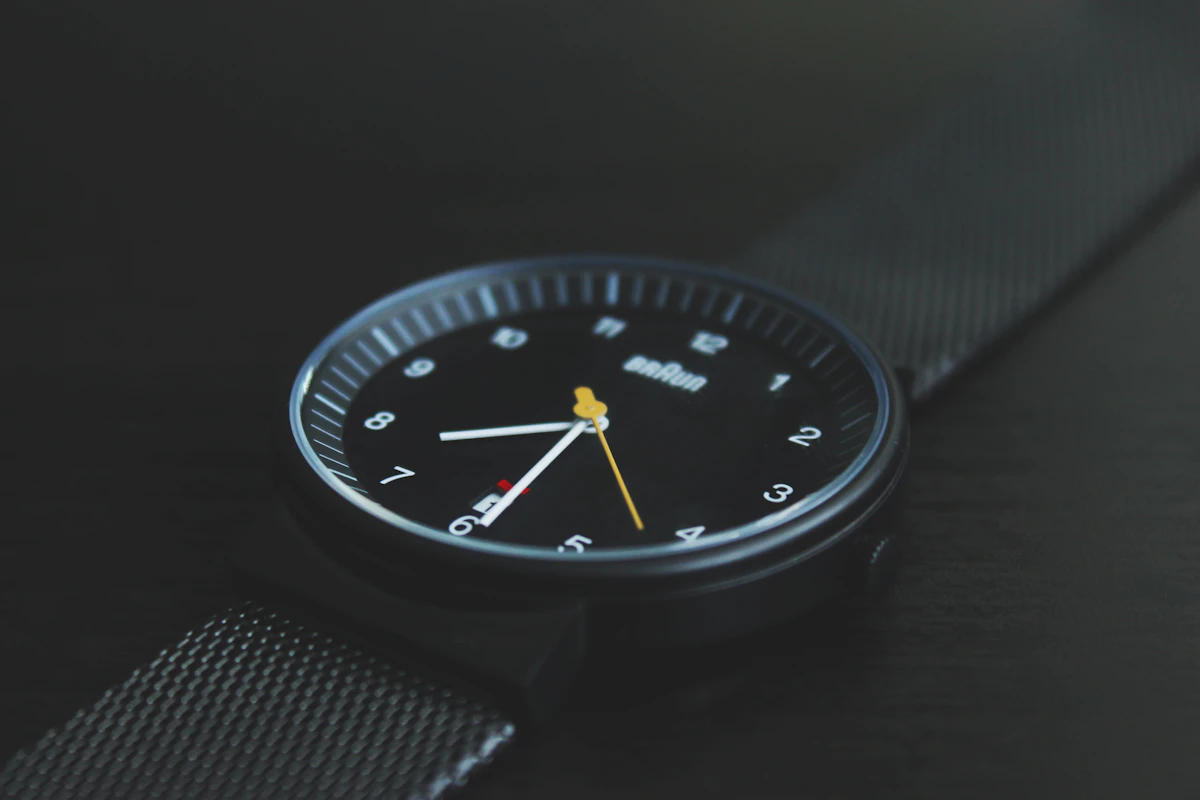
A recovery that “would probably work” is not a recovery you have proven. Timing the drill turns vague confidence into a measured baseline inside the Cold Wallet Safety Workflow.
What the clock usually finds
Missing USB-C adapters. A plate stored behind seasonal decorations. A passphrase hint written too vaguely. Firmware that needs an update before restore continues. None of these appear in slide decks; all of them appear under a stopwatch.
How we run it
Learners restore onto a spare device, narrate steps aloud, and stop the clock when they can view a known test balance—or when they hit a blocker worth documenting. Then they rewrite the runbook the same day.
What timing is not
It is not a competition. Faster is not always safer. The point is friction visibility, not bragging rights.
Module 5 of Seed Vault Discipline includes the postmortem template. As always: Not Financial Advice.